When AI Can Answer the Technical Questions, What Do CTOs Get Paid For?
Jensen Huang says the definition of "smart" has changed. For CTOs, technical depth isn't enough anymore. Here's what creates value now and how to adapt.
By Dane Eldridge
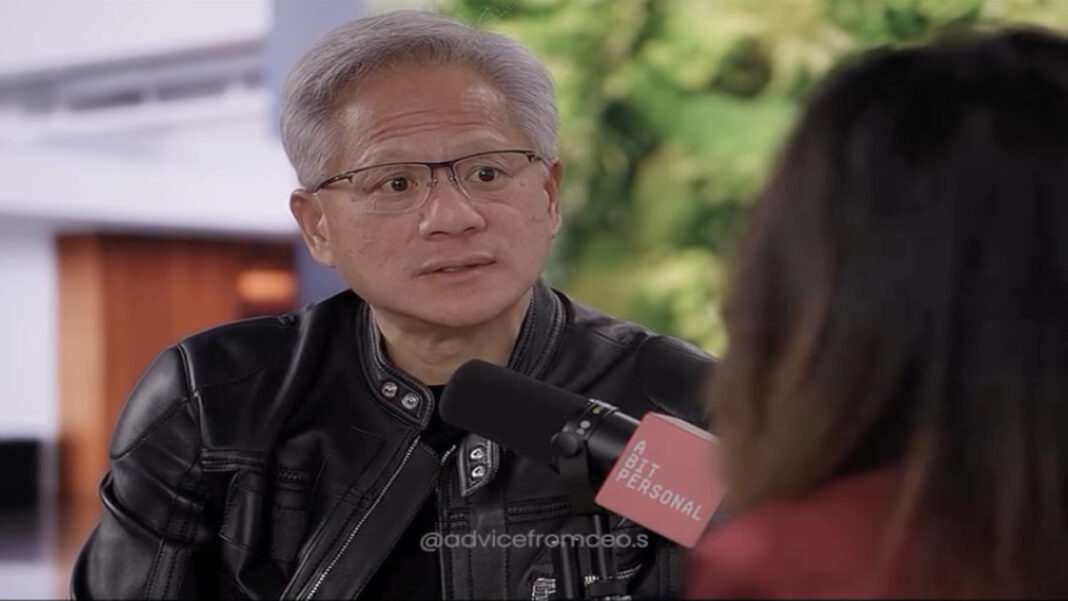
I was listening to a podcast with Jensen Huang recently and something he said has been stuck in my head.
He said the definition of "smart" has changed. It used to be the technical people. The developers. The engineers who spoke a language few understood. If you could explain how the database worked or debug a memory leak, you were smart.
But AI has levelled that playing field.
Now, according to Jensen, smart means something different. Technically astute, yes. But also empathetic. Able to see around corners. Preempt problems. Communicate clearly.
I think he's right. And I think it explains something fundamental that's shifting for technology leaders right now.
The Technical Bar Is Rising (And Falling)
Here's the weird paradox we're living through.
On one hand, technology is more complex than ever. More tools. More integrations. More decisions to make about architecture, security, compliance, AI.
On the other hand, the technical answers are becoming easier to find.
A CTO can ask ChatGPT to explain microservices architecture. A board member can get Claude to explain tech debt. An investor can use AI to diagnose performance issues.
The technical knowledge that once created a protective moat around senior technology roles is becoming... available.
So what are CTOs actually getting paid for now?
The New Job Description
I've spoken with 74 Fractional CTOs over the past four months! Different industries, different stages, different challenges. But one theme keeps surfacing.
The technical depth that once set them apart doesn't create the same certainty with clients that it used to.
Clients don't just need someone who knows what's wrong. They need someone who can:
- See patterns across organisations (not just within one codebase)
- Translate technical risk into business language (that boards can act on immediately)
- Deliver defensible diagnosis (not just opinions)
- Create clarity fast (before decisions get made without good information)
In other words: the ability to see around corners.
Jensen's phrase keeps coming back to me. Because that's exactly what it is. Not just knowing the answer. Knowing what the question will be six months from now.
What "Seeing Around Corners" Actually Looks Like
Let me give you a concrete example.
A Fractional CTO walks into a new engagement. The CEO says: "Our tech team says everything is fine, but I have a feeling something's off."
The old playbook: spend three weeks doing technical discovery. Interview the team. Review the architecture. Write a report.
The new playbook: show up with a structured baseline in week one. Not just "here's what I found" but "here's what matters, here's what it will cost to ignore, and here's why we need to move now."
That's the difference. Not more technical depth. More clarity delivered faster.
The technical work still happens. But it's scaffolded by a system that makes the important patterns visible immediately.
The Uncomfortable Truth
Here's what I'm seeing from my seat at StackUp.
The technology leaders who are thriving right now aren't necessarily the most technical. They're the ones who've figured out how to create clarity before anyone asks for it.
They don't wait for the board to ask about tech debt. They surface it early with evidence.
They don't scramble when an investor wants diligence. They already have a defensible view ready.
They don't guess at what's broken. They know, and they can prove it.
That's not about being smarter in the old sense. It's about being smarter in the new sense.
Technically astute. But also able to see what matters. And communicate it in a way that creates confidence.
The Shift Is Quiet But Real
There was no announcement. No dramatic moment when the rules changed.
But looking back, it's clear something has shifted. It's the same shift I wrote about recently: technology leadership is moving from running things well to proving it clearly.
Technical knowledge is still essential. But it's no longer sufficient.
The gap between "I know what's wrong" and "Here's why you need to move now" is widening.
And that gap is becoming the difference between technology leaders who are constantly proving their value and those who have stakeholders seeking them out.
Navigating the New World
So what does this mean practically?
If you're a CTO, Fractional CTO, or technology leader trying to figure out how to operate in this new world, here's what I'd suggest:
- Stop trying to know everything. You can't. No one can. The technical landscape is too big.
- Start building systems that create clarity. Not more knowledge. More visibility into what actually matters.
- Get faster at translation. The value isn't in the diagnosis. It's in making the diagnosis actionable for people who don't speak your language.
- Document reality before anyone asks. The leaders who sleep well are the ones who aren't scrambling to answer questions on the fly.
This is the world we built StackUp for. Not to replace technical judgment. But to give technology leaders a system that helps them see around corners. And those using it are already reaping the rewards.
Because in a world where AI can answer the technical questions, what you get paid for is knowing which questions to ask. And being able to prove your answers when it counts.
Author
Dane Eldridge